
Students often enter tuition with one simple goal: to improve their grades. However, lasting academic improvement involves much more than completing worksheets or attending extra classes. At Pamela’s Place, our approach is built around helping students understand concepts deeply, develop confidence in their abilities, and apply their knowledge effectively during examinations.
We recognise that every student learns differently. Some students struggle with content understanding, while others face challenges with exam techniques or confidence. Our teaching methodology is designed to address these differences through a structured and personalised approach that focuses on long term improvement rather than short term memorisation.
A Personalised Learning Approach for Every Student
One of the key principles behind personalised tuition in Singapore is recognising that no two students have identical learning needs. Students come into class with different strengths, weaknesses, learning styles, and academic goals. A standardised approach may work for some learners, but it often leaves others behind.

Here, our lessons are tailored to help students address their specific areas of difficulty. Tutors identify learning gaps, clarify misconceptions, and adjust explanations to suit individual learning needs. This allows students to progress at a pace that supports genuine understanding rather than superficial memorisation.
Personalised learning also helps students become more engaged during lessons. When students feel that lessons are relevant to their needs, they are more likely to participate actively and take ownership of their learning journey.
Building Strong Foundations Before Advanced Application
Many students struggle because they attempt to tackle complex questions without fully understanding the underlying concepts. This is especially common in science subjects, where topics often build upon one another.
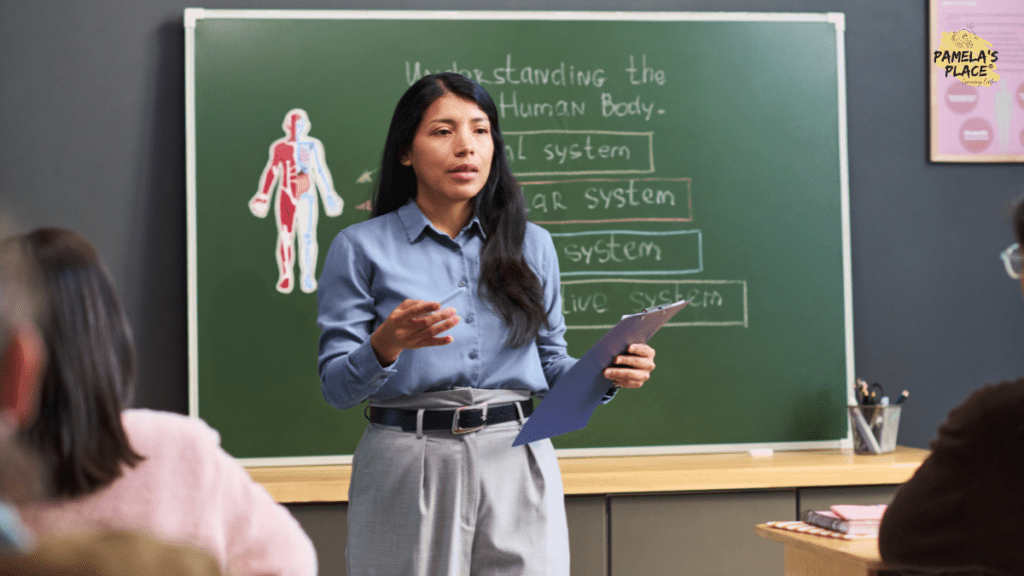
As part of our approach as a science tuition centre in Singapore, students are first guided to develop strong conceptual foundations. Rather than rushing through content, lessons focus on ensuring that students understand the “why” behind scientific principles and processes.
Once students have developed a solid understanding of core concepts, they are gradually introduced to more challenging applications. This progression helps students build confidence and equips them to handle unfamiliar examination questions effectively.
Small Group Learning That Encourages Participation
The learning environment plays a significant role in student development. Large classes may limit opportunities for interaction, while one to one lessons may not always provide exposure to different perspectives and common mistakes.
Our small group tuition model is designed to strike a balance between personalised attention and collaborative learning. Students benefit from direct tutor guidance while also learning from classroom discussions and peer questions.
Smaller class sizes allow tutors to monitor student progress more closely and provide timely feedback. This ensures that difficulties are addressed early before they become larger academic challenges.
Developing Effective Exam Techniques
Understanding content alone is often not enough to achieve strong examination results. Students must also know how to interpret questions, structure answers clearly, and avoid common mistakes.

At Pamela’s Place, our exam preparation is integrated into the learning process. Students are taught how examiners assess responses, what common pitfalls to avoid, and how to present their answers effectively.
By combining content mastery with exam strategy, students become better equipped to demonstrate their knowledge under examination conditions.
Tracking Progress Through Consistent Feedback
Improvement is most effective when students understand both their strengths and areas for development. Regular feedback allows students to identify patterns in their mistakes and make meaningful adjustments.
Lessons should incorporate ongoing assessment and review. Rather than focusing solely on final grades, students are encouraged to track their development across multiple areas, including conceptual understanding, application skills, and exam performance.
This continuous feedback process helps students maintain momentum and build confidence as they progress.
Creating Confident and Independent Learners
The ultimate goal of tuition should not simply be better grades. It should be helping students become more capable, confident, and independent learners.
At our tuition centre, students are encouraged to develop critical thinking skills, problem solving abilities, and effective study habits. These skills support academic success beyond a single examination and contribute to long term educational growth.
Conclusion
What sets Pamela’s Place tuition apart is our commitment to combining personalised learning, strong conceptual foundations, effective exam preparation, and consistent student support. Through our structured methodology, students gain not only stronger academic results, but also greater confidence in their ability to succeed.
Frequently Asked Questions
1. What makes Pamela’s Place different from other tuition centres?
Pamela’s Place focuses on personalised learning, conceptual understanding, and exam techniques rather than rote memorisation.
2. Does Pamela’s Place only offer science tuition?
The centre specialises in science related subjects, with a strong focus on Chemistry and Biology.
3. How does small group tuition benefit students?
Small groups allow for more interaction, personalised feedback, and closer monitoring of student progress.
4. How are students assessed?
Students receive regular feedback and guidance to help them identify strengths and areas for improvement.
5. Can tuition help students who lack confidence?
Yes. Structured support and gradual improvement often help students build confidence in both learning and examinations.
