

Introduction
A Level Chemistry is a significant step up from O Level. The content is deeper, the questions are more complex, and the exam requires students to apply concepts across multiple topics. Many students find that their previous revision methods are no longer sufficient.
If O-Level revision didn’t follow a structured system — a topic checklist, an error log, a weekly plan — this is exactly the gap that catches up with students at JC, since H2 Chemistry punishes ad hoc revision far more than O-Level does. Our O-Level Science Revision Checklist is worth building the habit around before Sec 4 ends, not after JC1 begins.
Strong performance in H2 Chemistry depends on a clear understanding, structured revision and consistent practice. Students who improve are not necessarily those who study more, but those who study in a more focused and organised way.
This guide outlines a step-by-step A-Level chemistry revision roadmap. It helps students build understanding, strengthen exam technique, and prepare effectively for H2 Chemistry papers.
Why Students Struggle With H2 Chemistry
Students who begin JC chemistry revision often encounter similar challenges.
The content becomes more abstract, especially in topics such as organic chemistry, energetics, and electrochemistry. Questions require linking multiple concepts rather than recalling a single idea. Students on the IP track often encounter this same jump earlier, since IP Chemistry introduces several of these concepts before JC even begins — see our IP Chemistry tuition page for how we help bridge that gap.
Students may understand individual topics but struggle when questions combine concepts. They may also lose marks due to weak explanation, unclear structure, or incorrect interpretation of data.
These challenges are common and can be addressed with a structured approach to revision.
Step 1: Build Conceptual Clarity
The first step in effective A Level chemistry revision is understanding the logic behind each topic.
Students should focus on why reactions occur and how different concepts are connected. For example, understanding electron movement helps link redox reactions, electrochemistry, and bonding.
Breaking topics into smaller parts helps improve clarity. Students should avoid memorising reactions without understanding the underlying principles.
This foundation is essential before moving on to heavy practice.
Struggling With Chemistry?
Everything you need to score higher in O Level & A Level Chemistry – from exam tips to study strategies.
Step 2: Organise Topics by Priority
Not all topics require the same amount of revision time. Students should identify which topics are weaker and allocate more time to those areas.
Common high-weightage topics include organic chemistry, energetics, kinetics, and equilibrium. These topics often appear in multiple question types and require a deeper understanding.
Creating a clear A-Level chemistry study plan helps students manage their time more effectively and ensures that all key topics are covered.
Step 3: Use Active Recall and Practice
Active recall is one of the most effective methods for JC chemistry revision. Instead of rereading notes, students should test their understanding regularly.
This can be done by attempting structured questions, writing explanations from memory or solving calculation problems without referring to notes.
Practising regularly helps students become more familiar with question formats and improves recall during exams.
Step 4: Practise Exam-Style Questions
H2 Chemistry exams test application rather than memorisation. Students must practise answering questions in the same format as the exam.
Structured questions, data-based questions and explanation questions should all be included in practice sessions.
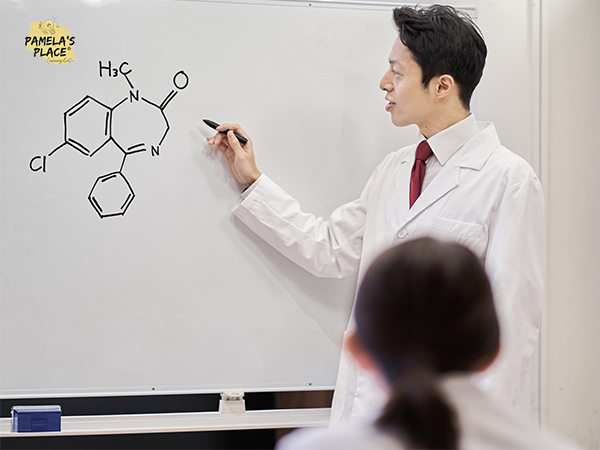
Students should pay attention to how answers are structured, how calculations are presented and how explanations are written.
Timed practice is also important. It helps students manage exam pressure and improve accuracy under time constraints.
Step 5: Focus on Explanation and Data Skills
Many H2 chemistry exam tips focus on improving explanation and data interpretation skills.
Students should practise writing clear explanations that link observations to chemical principles. Each explanation should follow a logical sequence.
Data-based questions require careful reading of graphs, tables and experimental setups. Students should describe trends accurately and support their answers with data where required.
Improving these skills helps students handle more complex questions confidently.
Step 6: Review Mistakes and Strengthen Weak Areas
Improvement comes from understanding mistakes.
After each practice session, students should review their answers and identify where marks were lost. This could be due to an incorrect method, a weak explanation or a misinterpretation of the question.
Students should keep track of recurring errors and focus on correcting them. This targeted approach helps prevent the same mistakes from happening again.
Step 7: Apply Spaced Revision
Spaced revision helps students retain information over time. Instead of revising topics once, students should revisit them regularly.
Weaker topics should be reviewed more frequently, while stronger topics can be spaced out over longer intervals.
This method improves retention and reduces the need for last-minute revision.
Step 8: Prepare Strategically Before Exams
As exams approach, students should shift their focus towards consolidation.
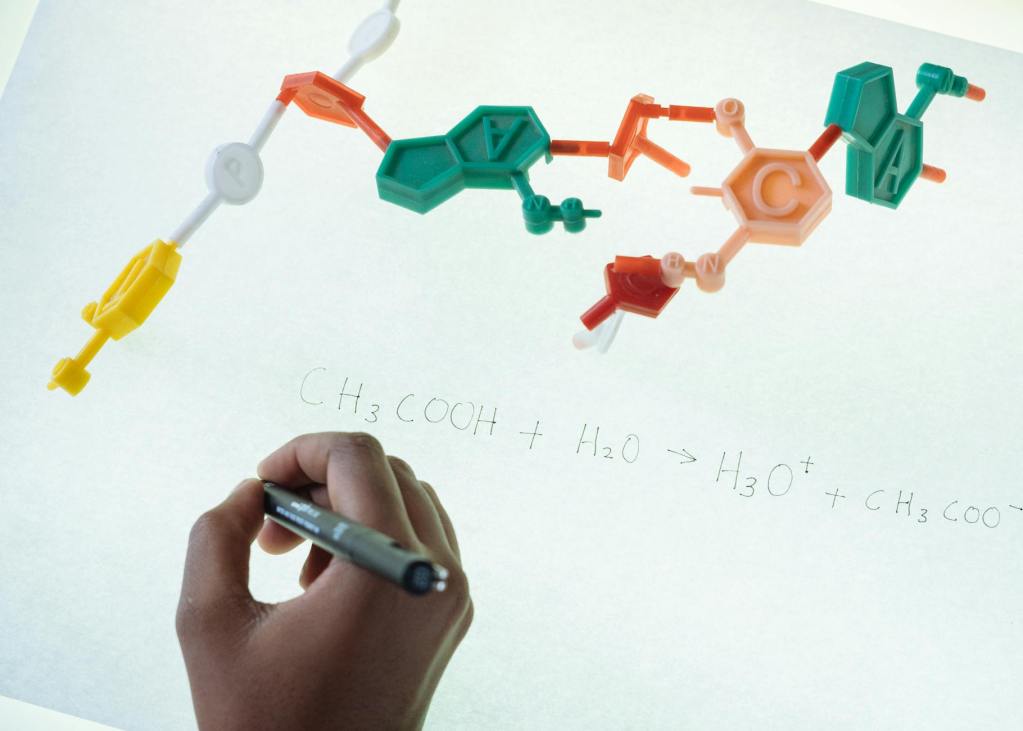
Revision should include reviewing key concepts, practising common question types and reinforcing areas that are frequently tested.
Students should also revisit their past mistakes and ensure that they understand how to avoid them.
This final stage helps build confidence and improve overall exam readiness.
Conclusion
A-level chemistry revision requires a structured and consistent approach. Students who improve focus on understanding concepts, practising exam-style questions and reviewing mistakes carefully.
By following a step-by-step revision roadmap, students can manage their workload more effectively and improve their performance steadily.
With the right strategy, H2 Chemistry becomes more manageable and less overwhelming.
Frequently Asked Questions
1. What makes A Level (H2) Chemistry harder than O Level?
- More abstract concepts
- Questions require application and linking topics
- Less focus on memorisation, more on understanding
2. How should I start revising for H2 Chemistry?
- Focus on conceptual understanding first
- Learn the “why” behind reactions
- Build a strong foundation before heavy practice
3. Which topics are most important for H2 Chemistry?
- Organic chemistry (reaction mechanisms, synthesis)
- Energetics (enthalpy changes, cycles)
- Kinetics (rate equations, factors affecting rate)
- Equilibrium (Le Chatelier’s principle, calculations)
4. How can I improve weak topics?
- Break topics into smaller subtopics
- Focus on core principles and concepts
- Practise targeted questions regularly
5. Why do I lose marks despite understanding concepts?
- Explanations may lack clarity or detail
- Answers may not follow proper structure
- Questions may be misinterpreted
6. What should I focus on before exams?
- Key concepts and commonly tested areas
- Exam-style and past-year questions
- Reviewing previous mistakes
