
Chemistry is one of the most demanding subjects in the Singapore education system. From understanding abstract concepts at the O-Levels to managing the depth and application required for H2 Chemistry at the A-Levels, many students struggle not because they lack ability, but because they lack clarity, structure, and proper exam guidance.
This is why chemistry tuition in Singapore plays an important role in helping students build strong foundations, develop confidence and improve exam performance. At Pamela’s Place, we provide structured chemistry tuition that focuses on conceptual understanding, systematic revision and effective answering techniques. Our approach is designed to help students understand chemistry clearly, apply concepts accurately and perform confidently in exams and assessments.
Master Chemistry with Confidence
Everything you need to score higher in O Level & A Level Chemistry – from exam tips to study strategies.
Whether it is O Level, A Level or H2 chemistry tuition Singapore, students benefit from guided learning that goes beyond memorisation and focuses on long-term mastery and understanding.
Chemistry is not a subject that can be learnt by repetition. The syllabus here requires students to interpret data, apply chemical principles, explain processes logically and present answers using precise scientific language. Many students face similar challenges:
- Difficulty understanding abstract topics such as redox reactions and organic chemistry
- Struggling with chemistry structured questions despite knowing the content
- Losing marks due to poor or unclear explanations
- Feeling overwhelmed by the amount of content across topics
This is where a good chemistry tutor Singapore makes a big difference. With proper structure and guidance, students learn not just what to study, but how to think, apply and answer effectively under exam conditions.
O-Level Chemistry: Strong Fundamentals

O-Level Chemistry forms the foundation for future science learning. Topics such as acids and bases, periodic trends, chemical bonding, mole calculations and organic chemistry require both conceptual clarity and consistent practice. Our O Level chemistry tuition Singapore programme focuses on building strong fundamentals from the start.
Clear Conceptual Teaching
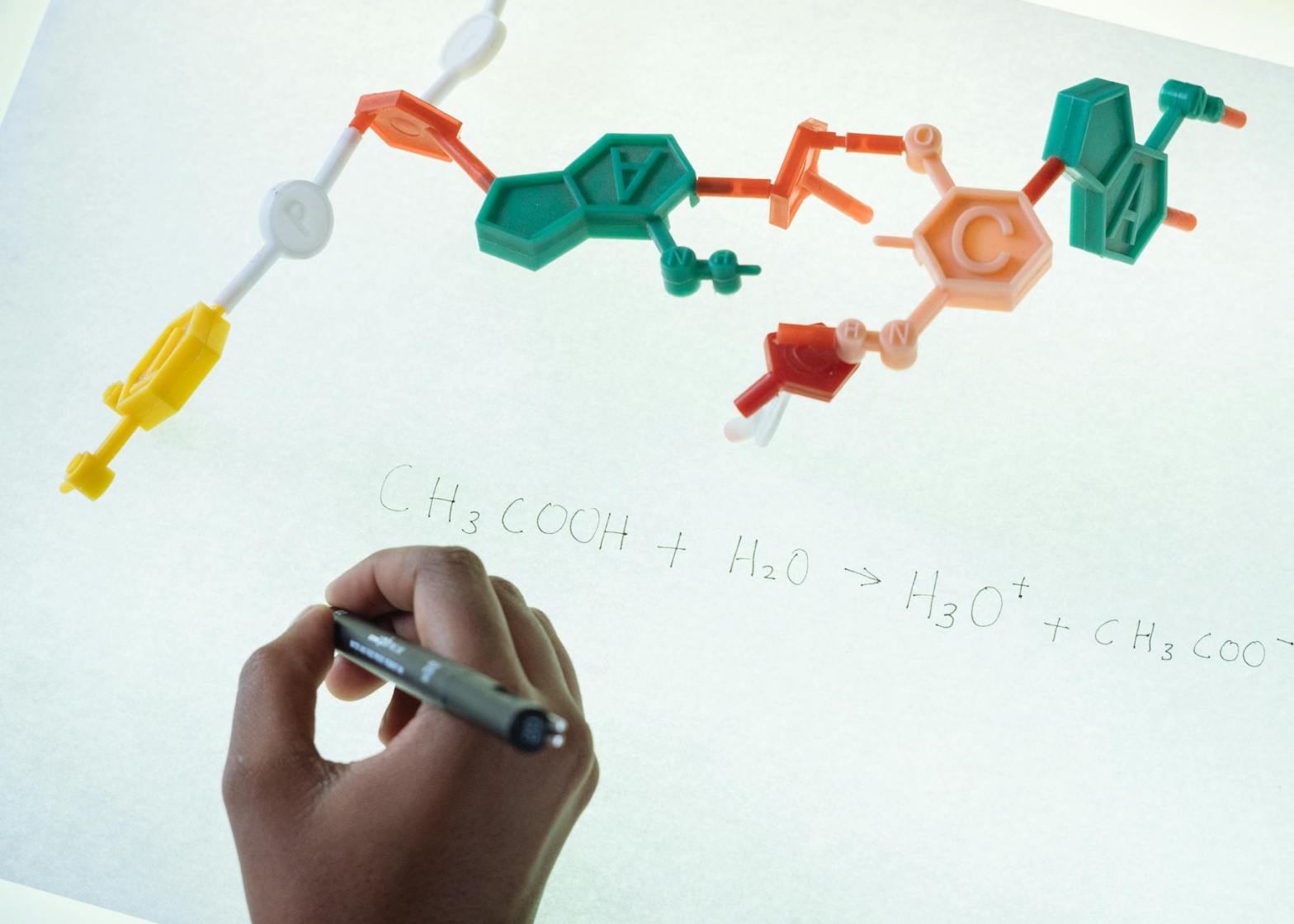
We break down complex chemical concepts into step-by-step explanations, using visual aids, real-life examples and simplified models. This allows students to understand why reactions happen rather than memorising formulas without meaning. Topics like organic chemistry explained in this way become easier to absorb and less intimidating.
Structured Chemistry Notes
Students receive curated chemistry notes that summarise key concepts, definitions and formulas clearly. These notes are designed to support chemistry revision tips and are closely aligned with syllabus requirements.
Exam-focused Practice
Regular practice of chemistry structured questions helps students familiarise themselves with exam formats. Detailed feedback is given on method, accuracy and presentation, training students to answer precisely and avoid unnecessary loss of marks.
We also address common O Level chemistry mistakes such as skipping steps in calculations, misinterpreting command words and writing vague explanations. Identifying these errors early helps students improve.
A-Level and H2 Chemistry: Depth and Application
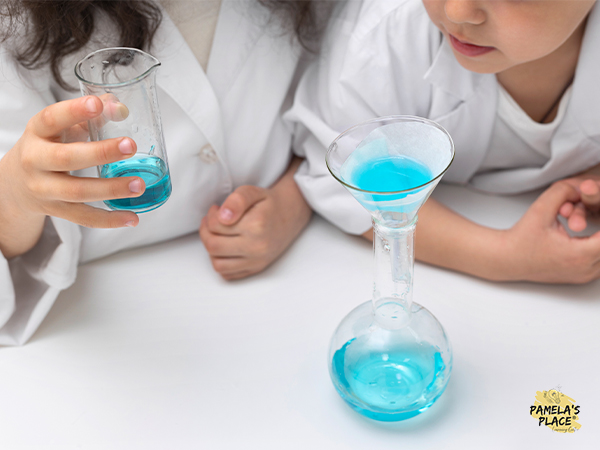
At the JC level, chemistry becomes more complex and demanding. H2 Chemistry requires students to integrate concepts across topics, analyse unfamiliar data and explain chemical mechanisms clearly under time pressure. Our JC chemistry tuition Singapore programme focuses on building depth without overwhelming students.
Depth Without Overload
We teach students how to prioritise key concepts, understand relationships between topics and avoid getting lost in unnecessary detail. This is especially important for organic chemistry, where students often feel confused by multiple reactions and mechanisms.
Advanced Answering Techniques
Students are trained in chemistry answering techniques such as unpacking complex questions, organising responses logically and presenting concise yet complete explanations that align with marking schemes. These skills are essential for scoring well in both structured and free-response questions.
Targeted Practice and Feedback
Through timed practices, students learn how to refine their working, improve clarity and consistently score higher. This is especially useful for acid base chemistry questions and physical chemistry topics that require precise calculations and reasoning.
Our Proven Strategies
At Pamela’s Place, our teaching philosophy is built around understanding, structure and application.
Concept-based Learning
Understanding the thought and logic behind chemical reactions makes recalling easier and more reliable during exams. Instead of memorising reaction pathways, students learn how and why reactions occur.
Active Recall and Spaced Practice
Students are encouraged to test themselves frequently using questions rather than re-reading notes. This strengthens long-term memory and improves confidence in the application of concepts.
Condensed and Organised Notes
Our notes highlight key relationships between topics, making revision more efficient and less stressful. This supports students who want to know how to score A in chemistry instead of cramming information last minute.
Exam Techniques
Strong chemistry exam performance requires more than content knowledge. Many students lose marks due to avoidable mistakes in presentation, working or phrasing.
Understanding Command Words
Misinterpreting command words is one of the most common chemistry mistakes. Students learn how to respond appropriately to terms such as calculate, explain, describe and compare.
Logical Answer Structure
We train students to present answers in clear and logical sequences. This includes showing proper working for calculations and structuring explanations step-by-step.
Precision in Language
Using correct chemical terminology is critical. Students are guided on how to phrase answers accurately without overcomplicating them or writing irrelevant information. These exam techniques are integrated into every lesson to ensure consistent improvement.
Practical Exam Skills
Practical exams form an important part of both O-Level and A-Level Chemistry. Many students underperform due to unfamiliarity with laboratory procedures or weak data interpretation skills.
Understanding Common Experiments
Students are trained to recognise standard experimental setups, variables and expected observations. This helps them respond more confidently during practical assessments.
Accurate Data Handling
We focus on proper recording of results, correct units, and clear presentation of tables and graphs.
Explanation of Results
Students learn how to link observations to chemical principles, which is essential for scoring well in practical papers. These chemistry practical exam tips help reduce uncertainty.
Common Chemistry Mistakes
Identifying and correcting mistakes early is crucial for improvement. Some of the most common errors include:
- Writing vague explanations without linking to chemical principles
- Skipping steps in calculations or using incorrect units
- Misinterpreting data in experimental questions
- Including irrelevant information that does not answer the question
Through consistent feedback and guided practice, Pamela’s Place helps students recognise these errors and correct them systematically.
Chemistry Revision for Exam Preparation
Early and Consistent Revision
Students are encouraged to start revision early and space it out rather than cramming information/theory, which improves retention.
Past Year Question Practice
Analysis and exposure to exam-style questions helps students identify common patterns and become more comfortable with question formats.
Focused Weak Area Review
By tracking performance, students can target specific topics such as organic chemistry or electrochemistry that need more attention.
These chemistry revision tips form an integral part of our teaching approach, ensuring steady progress throughout the academic year.
What Sets Us Apart
Choosing the best chemistry tuition in Singapore is an important decision. Our approach is driven by clarity, structure and personalised support.
- Specialised focus on chemistry across O-Levels, A-Levels, and H2 Chemistry, and IP Chemistry Tuition in Singapore.
- Student-friendly explanations that prioritise understanding
- Strong emphasis on exam technique and answering strategies
- Carefully curated notes and practice materials aligned with the syllabus
Our goal is not just short-term grade improvement, but long-term confidence as well as mastery of chemistry as a subject. With the right guidance, students learn how to think better scientifically and approach problems more logically, which leads them to perform better during assessments.
Whether you are preparing for O-Levels, A-Levels or IP Chemistry, Pamela’s Place provides structured support to help you achieve the results you deserve.
Frequently Asked Questions
1. Why is chemistry tuition important in Singapore
Chemistry tuition provides structured guidance, clear explanations, and consistent practice that many students do not get in school alone. It helps students build strong foundations, correct mistakes early, and develop effective exam strategies.
2. What is the difference between O-Level and H2 chemistry tuition
O-Level chemistry focuses on building fundamentals and basic application, while H2 chemistry requires even deeper conceptual understanding, integrating information across topics and more advanced answering techniques.
3. How can I score A in chemistry
Scoring well requires strong conceptual understanding, regular practice, proper revision and good exam technique. Memorisation alone is not enough.
4. When should students start chemistry tuition
It is always best to start early before gaps in understanding widen. Early support allows students to build confidence and keep up with the syllabus.
5. How does a chemistry tutor help improve exam performance
A good chemistry tutor identifies weaknesses, explains concepts clearly, helps deepen comprehension, provides targeted practice and trains students in effective answering techniques.
6. Are small group lessons better than large classes
Small group lessons allow for personalised attention, curated teaching, more interaction and immediate feedback to improve learning outcomes.
7. Is chemistry tuition useful even for strong students
Yes. Even strong students benefit from structured revision, exposure to challenging questions and refinement of exam techniques.
